Phozilla
How to Choose a Phone That Fits Your Life
From the archive — latest notes.
Comparisons
Side-by-side guides that explain which phones suit different budgets, priorities, and dail

How-Tos
Clear walkthroughs for setting up, troubleshooting, protecting, and getting more from your

Buying Advice
Straightforward tips for choosing new, used, or refurbished phones and understanding the f
Latest
Nearby places
All places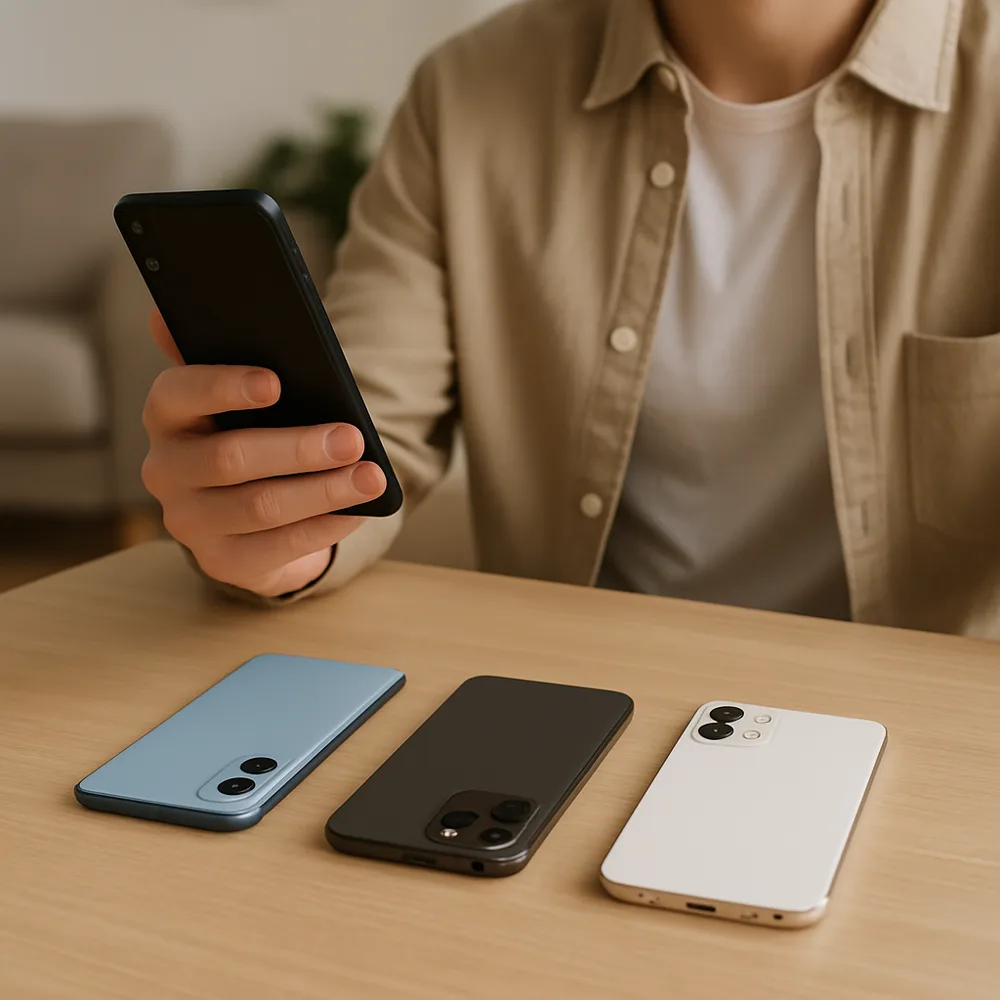


Where to Start When You're Shopping for a New Phone
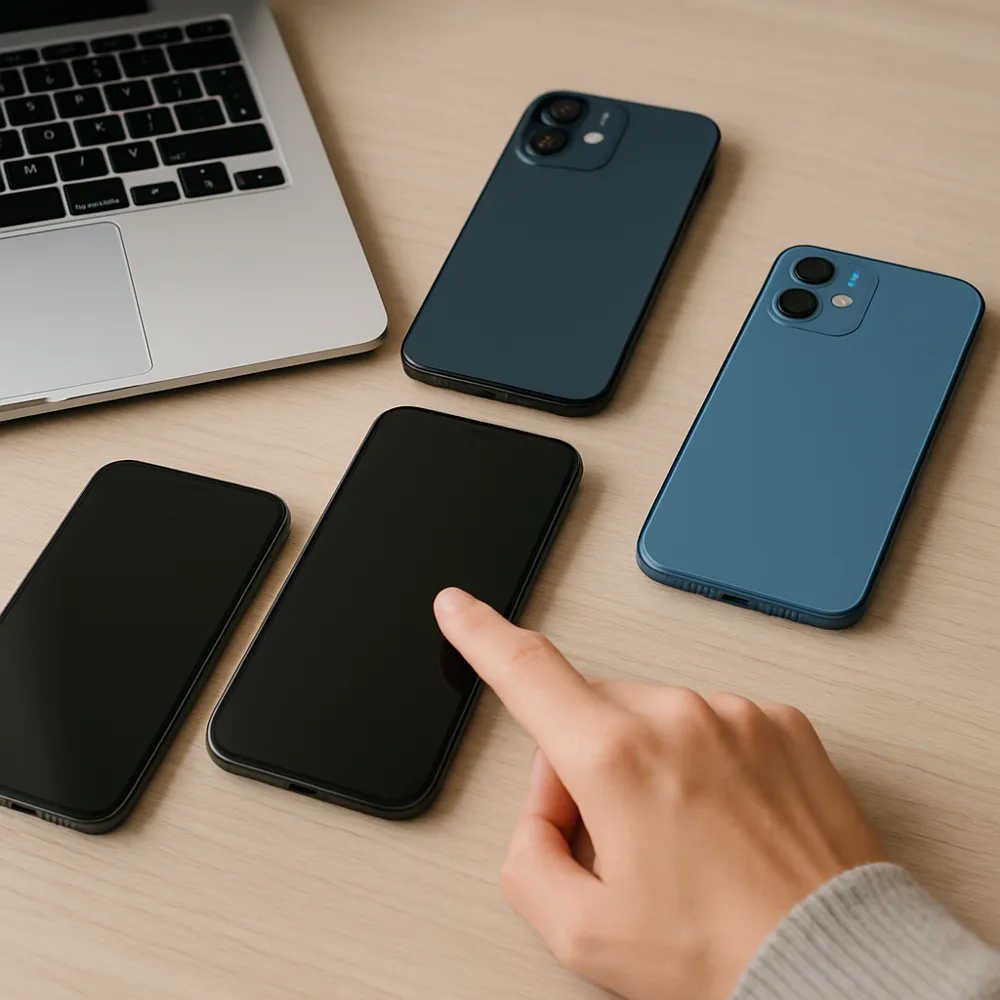
Buying a phone can feel overwhelming because every launch promises a faster chip, a brighter screen and a better camera. The trick is to ignore the headline numbers for a moment and start with how you actually use your current device. Do you run out of battery by mid-afternoon? Is storage always full? Do you mostly message, stream, game or take photos of your kids? Those everyday frustrations tell you far more about what to buy than any spec sheet.
Set priorities before you set a budget
Pick the two or three things that matter most to you, such as battery life, camera quality, screen size or long software support, and accept compromises elsewhere. A mid-range phone that excels at your priorities will usually feel better than a flagship that excels at things you rarely use. Our guide on choosing a phone that fits your life walks through this process step by step.
Think about the whole ecosystem
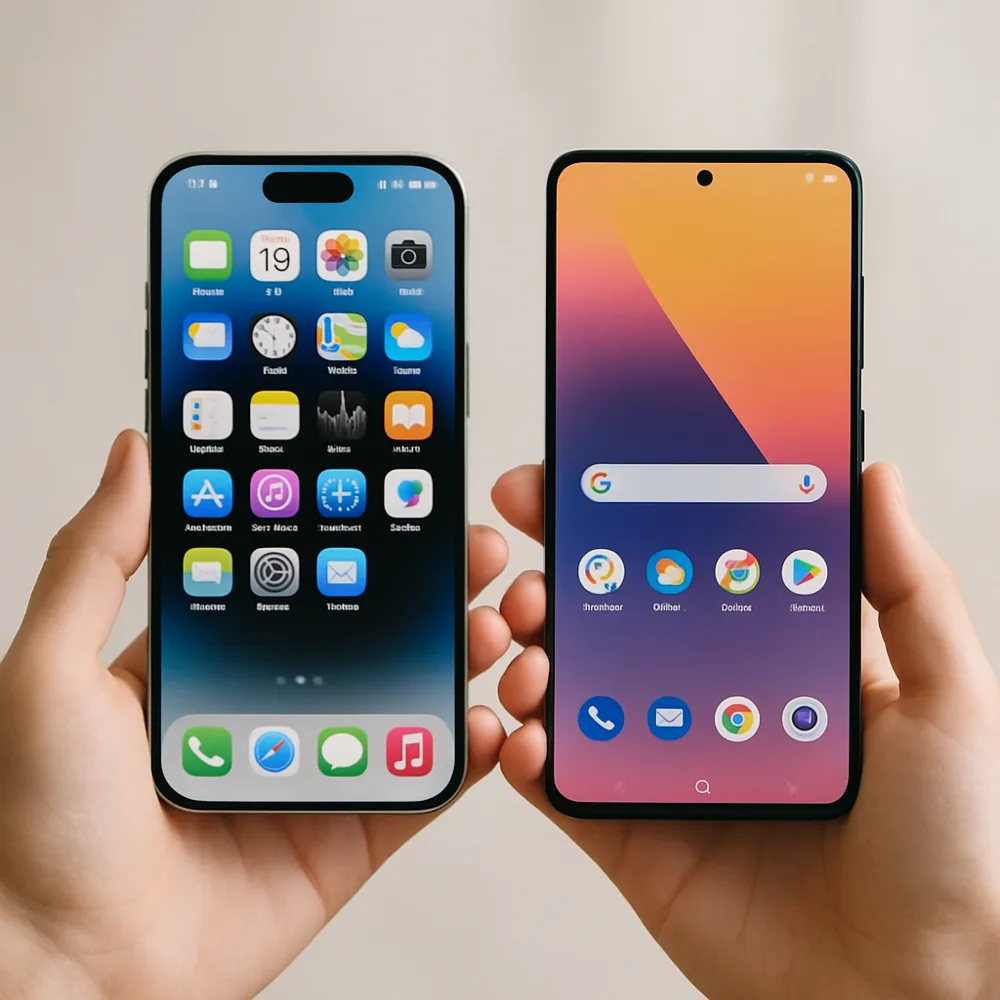
Your phone rarely works alone. Watches, earbuds, laptops, cloud backups and the apps you've already paid for all tie you to a platform to some degree. Switching is entirely possible, but it is worth knowing what moves across easily and what doesn't. If you're torn, see our breakdown of iPhone or Android and what to consider.
Look past the marketing
Some numbers are less meaningful than they appear. Camera megapixels, peak brightness figures and benchmark scores only tell part of the story; sensor size, image processing and real-world efficiency often matter more. It also pays to check how many years of operating system and security updates a manufacturer commits to, since that affects how long a phone stays safe and useful.
Keep your next phone going longer
Once you've made a choice, a few habits can add years of life: avoid leaving the phone in heat, use a decent case and screen protector, and keep an eye on battery wear. When performance starts to slip, a battery replacement is often far cheaper than a new handset.